
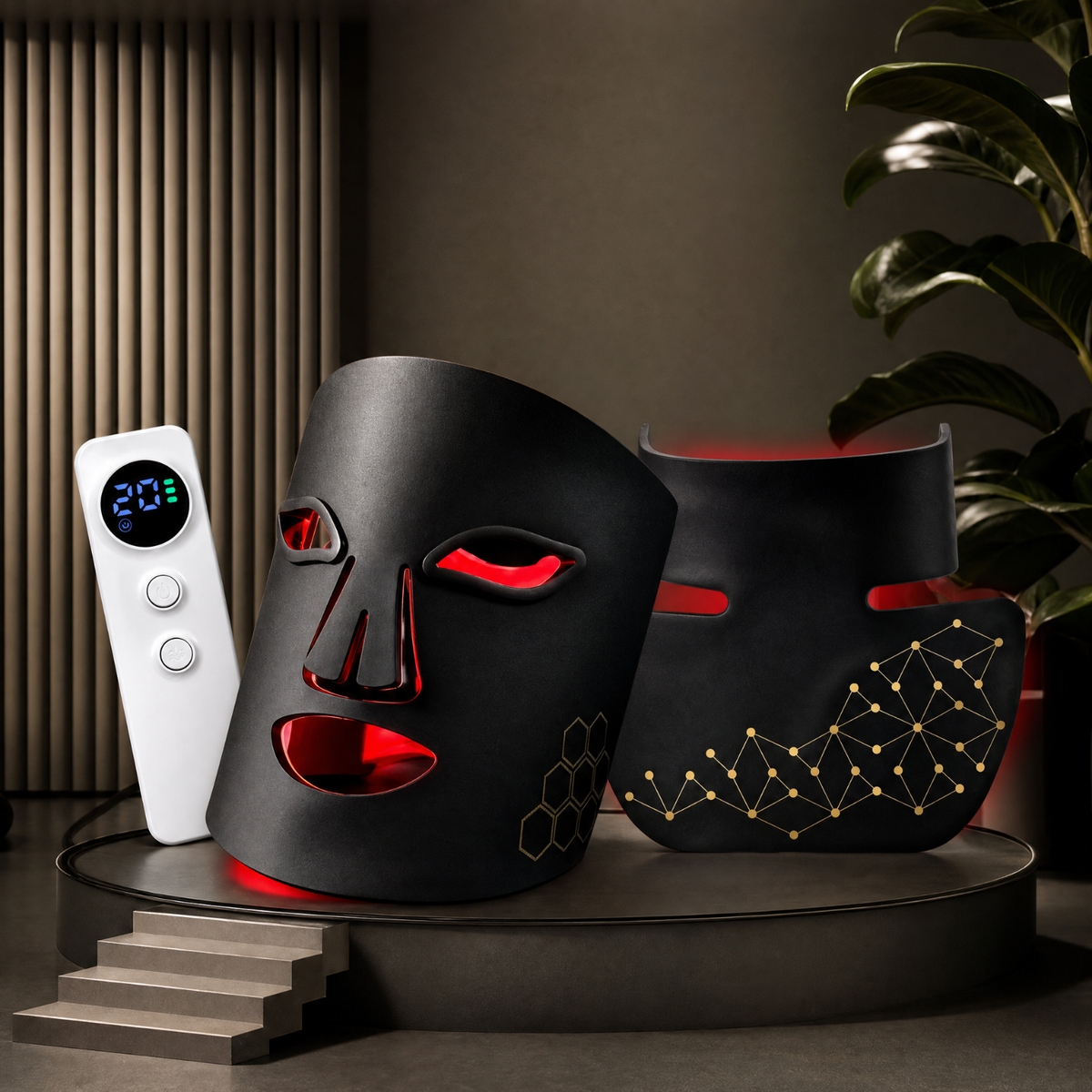
Red Light Therapy Masks: Benefits, How They Work & How to Use One
Red light therapy masks have become an increasingly popular addition to at-home skincare routines. Designed to deliver specific wavelengths of light to the skin, these devices offer a convenient way to explore light-based skincare at home.
But what exactly is red light therapy, what are its potential benefits, and how do you use a red light therapy mask correctly? In this guide, we'll explain how red light therapy masks work, what research suggests about their potential benefits, and how to incorporate one into your skincare routine.
What Is Red Light Therapy?
Red light therapy is a non-invasive treatment that uses specific wavelengths of red light, and sometimes near-infrared light, to interact with the skin. Unlike ultraviolet (UV) light from the sun, red light therapy does not use UV radiation. Researchers are studying its potential effects on cellular processes involved in skin health and repair.
Red light therapy devices come in several forms, including handheld devices, panels and LED face masks designed for at-home use.
What Are the Potential Benefits of Red Light Therapy Masks?
Interest in red light therapy has grown as people look for non-invasive ways to support their skincare goals. Research is promising in some areas, but results vary depending on the device, its settings and the individual.
1. Supporting Smoother-Looking Skin
Red light therapy is being investigated for its role in collagen-related processes. Collagen is a structural protein that helps skin maintain firmness and elasticity. Some clinical studies have reported improvements in the appearance of fine lines and skin texture, but results are not guaranteed and findings for one device cannot automatically be applied to every mask.
2. Improving the Appearance of Fine Lines
Fine lines are a normal part of ageing and can be influenced by sun exposure, genetics and lifestyle. Certain red light therapy treatments have shown promising results for the appearance of fine lines, although outcomes depend on wavelength, light intensity, treatment duration and consistency. An LED mask should be viewed as a potential addition to your skincare routine rather than an instant anti-ageing solution.
3. Supporting a More Radiant-Looking Complexion
A healthy-looking complexion often comes down to consistency. Gentle cleansing, moisturising, sun protection and products suited to your skin type all play important roles. Red light therapy is being studied for its potential effects on skin appearance, including texture and overall complexion. Individual experiences differ, and results are not guaranteed.
4. Convenient At-Home Skincare
An at-home LED mask allows you to follow the manufacturer's recommended treatment schedule in your own space. Depending on the device, a session may take only a few minutes. Longer sessions do not necessarily produce better results, so always follow the instructions for your specific device.
How Does a Red Light Therapy Mask Work?
LED red light therapy masks use light-emitting diodes (LEDs) to deliver light at selected wavelengths. Red light is commonly associated with wavelengths in the approximate 620–700 nanometre range, while near-infrared light is often found at longer wavelengths.
Researchers are investigating how these wavelengths interact with cells and influence biological processes associated with skin health. Not all LED masks are the same: wavelengths, irradiance, treatment duration, light coverage and device quality can differ. Look for clear technical specifications, usage instructions and safety information, and be cautious of promises of guaranteed results.
How to Use a Red Light Therapy Mask at Home
Step 1: Cleanse Your Face
Start with clean skin to remove makeup, sunscreen, oil and everyday impurities. Follow your device's instructions about whether skincare products should be applied before treatment.
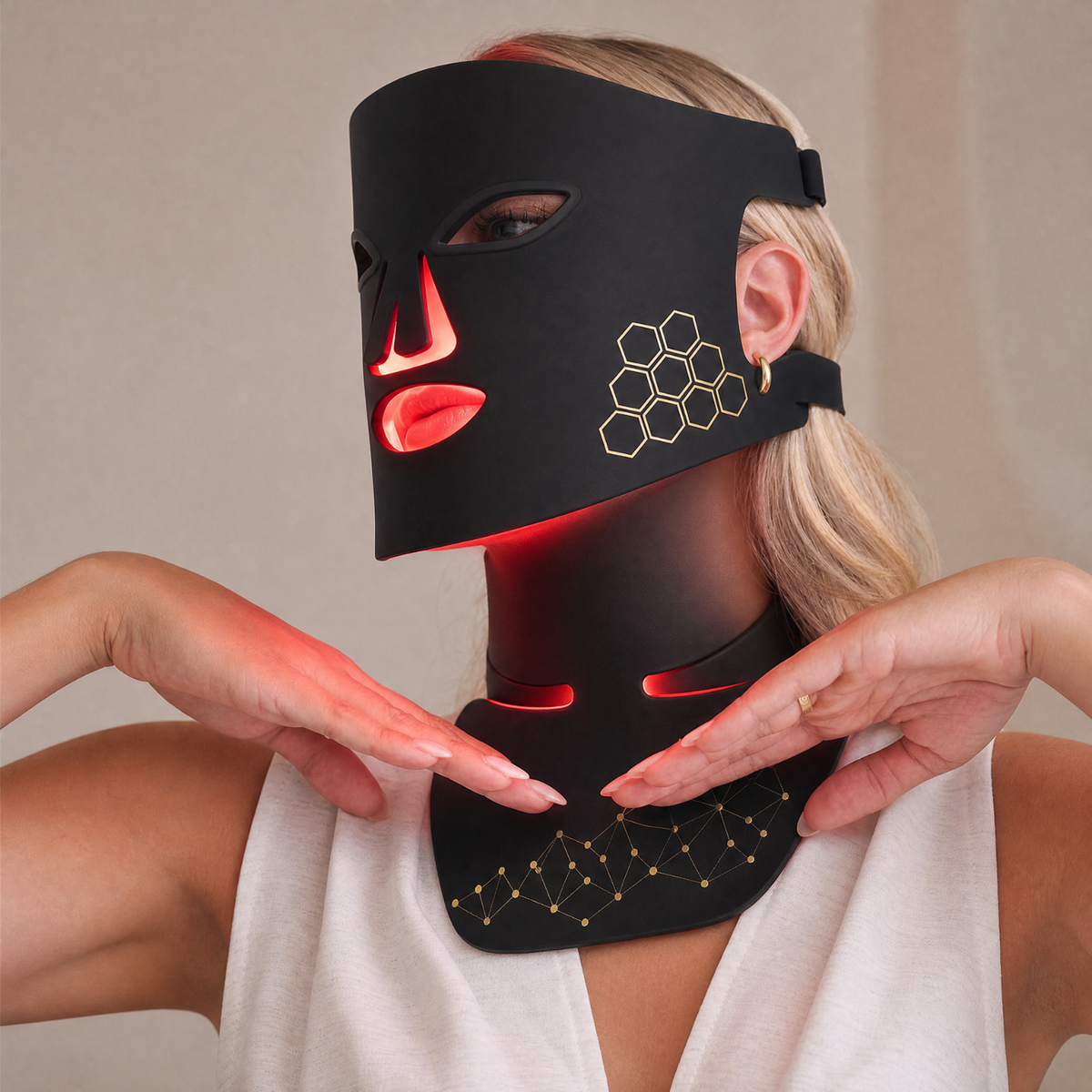
Step 2: Position the Mask Correctly
Fit the mask according to the manufacturer's guidance. Ensure it sits as intended and use any required protective equipment.
Step 3: Follow the Recommended Treatment Time
Use the recommended session length. Avoid extending treatment times in the hope of achieving faster results.
Step 4: Continue With Your Skincare Routine
After treatment, apply your usual moisturiser and other suitable products unless the device instructions advise otherwise. Daily broad-spectrum sunscreen remains important for protecting against UV-related premature skin ageing.
Step 5: Be Consistent
Red light therapy is not an overnight solution. If the device is suitable for you, follow its recommended schedule and allow time to assess whether it makes a noticeable difference. Occasional photographs in similar lighting conditions may help you monitor changes objectively.
How Often Should You Use a Red Light Therapy Mask?
The ideal frequency depends on the device and its intended use. Some masks are designed for several sessions per week, while others have different schedules. Follow the manufacturer's directions rather than assuming daily use is appropriate for every device.
Using a device more frequently or for longer than recommended may increase the risk of irritation or other unwanted effects without improving results. Consistency, appropriate use and realistic expectations matter more than trying to fit in as many sessions as possible.
Are Red Light Therapy Masks Safe?
Red light therapy masks are non-invasive, but not every device is suitable for everyone. Read the manufacturer's safety guidance and use any required eye protection. Avoid looking directly into LEDs, and do not assume a mask is safe for the eyes simply because it is marketed for facial use.
Speak with a healthcare professional before use if you have a condition that causes light sensitivity, take medication that increases sensitivity to light, or have another relevant medical concern. If you experience discomfort, unusual redness or irritation, stop using the device and seek appropriate advice. People with active skin conditions or suspicious skin lesions should seek advice from a qualified healthcare professional rather than relying on an LED mask to treat them.
What to Look for When Choosing a Red Light Therapy Mask
- Wavelength specifications: Look for clearly stated wavelengths rather than vague descriptions.
- Treatment guidance: Choose a device with clear instructions covering session length, frequency and intended use.
- Comfort and fit: A comfortable fit can make a routine easier to maintain.
- Eye safety: Check the manufacturer's guidance on eye protection and safe positioning.
- Transparent product claims: Be cautious of promises to erase wrinkles, cure acne or deliver dramatic results within days.
- Quality and support: Look for accessible customer support, clear product information and a straightforward warranty or returns policy.
Is a Red Light Therapy Mask Worth Adding to Your Skincare Routine?
For people interested in at-home skincare technology, a red light therapy mask may be an appealing option to explore. Research into red and near-infrared light for skin applications is promising in some areas, particularly the appearance of fine lines and skin texture. However, evidence varies, and outcomes depend on the device, its settings and the individual.
A red light therapy mask is best viewed as a potential complement to a well-rounded skincare routine, not a replacement for cleansing, moisturising, sun protection or professional medical advice when needed.
Ready to explore at-home LED skincare? Discover the Aether Glow 2-in-1 LED Red Light Therapy Mask for Face & Neck, featuring dedicated face-and-neck coverage with red and near-infrared light.
Important note: Red light therapy devices vary in their specifications and intended uses. This article is for general informational purposes only and does not replace professional medical advice. Individual results are not guaranteed.


Leave a comment
This site is protected by hCaptcha and the hCaptcha Privacy Policy and Terms of Service apply.